
Note: For research use only. Not for human consumption or medical use. Dismiss

Note: Research use only. Not for human consumption.

  • Shop
  • Wholesale
  • Our Service
  • Pay
  • Shipping
  • Returns
  • FAQ
  • International customers
  • Contact
Login / Register
0 items / € 0.00
Menu
Login / Register
Sign inCreate an Account

Lost your password?

0 items € 0.00
Research Opioids Guide 2026: Everything You Need to Know Before Buying
19 Apr
Opioids & Opioid-Related Research Chemicals

Research Opioids Guide: Everything You Need to Know Before Buying

  • April 19, 2026
  • By author-avatar admin
  • 0 comments
Research Opioids Guide: Everything You Need to Know Before Buying In 2026, “research opioids” are high‑purity opioid‑type compounds so...

Continue reading

19 Apr
Opioids & Opioid-Related Research Chemicals

Top Opioid Research Chemicals Ranked by Strength & Duration

  • April 19, 2026
  • By author-avatar admin
  • 0 comments
Top Opioid Research Chemicals Ranked by Strength & Duration In 2026, “opioid research chemicals” span a wide spectrum, from semi‑s...
Continue reading

Harm Reduction Guide to Opioid RC’s 2026: Dosage, Tolerance & Risks
19 Apr
Opioids & Opioid-Related Research Chemicals

Harm Reduction Guide to Opioid RC’s: Dosage, Tolerance & Risks

  • April 19, 2026
  • By author-avatar admin
  • 0 comments
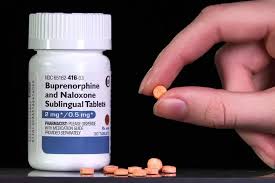
Harm Reduction Guide to Opioid RC’s: Dosage, Tolerance & Risks Opioid research chemicals (RCs) in 2026 span from buprenorphine‑nal...
Continue reading

New Research Opioids 2026: What’s Available, How They Work & Suboxone 2mg Guide
19 Apr
Opioids & Opioid-Related Research Chemicals

New Research Opioids 2026: What’s Available and How They Work

  • April 19, 2026
  • By author-avatar admin
  • 0 comments
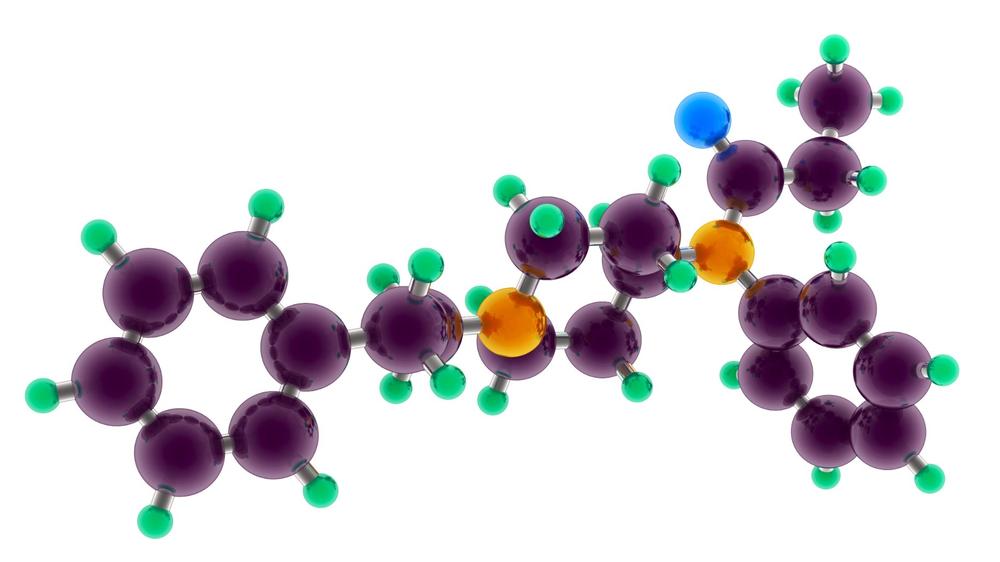
New Research Opioids 2026: What’s Available and How They Work In 2026, “research opioids” sit at the intersection of pharmacology, har...
Continue reading

Understanding Research Opioids: Legality, Effects & Responsible Use 2026
19 Apr
Opioids & Opioid-Related Research Chemicals

Understanding Research Opioids: Legality, Effects & Responsible Use 2026

  • April 19, 2026
  • By author-avatar admin
  • 0 comments
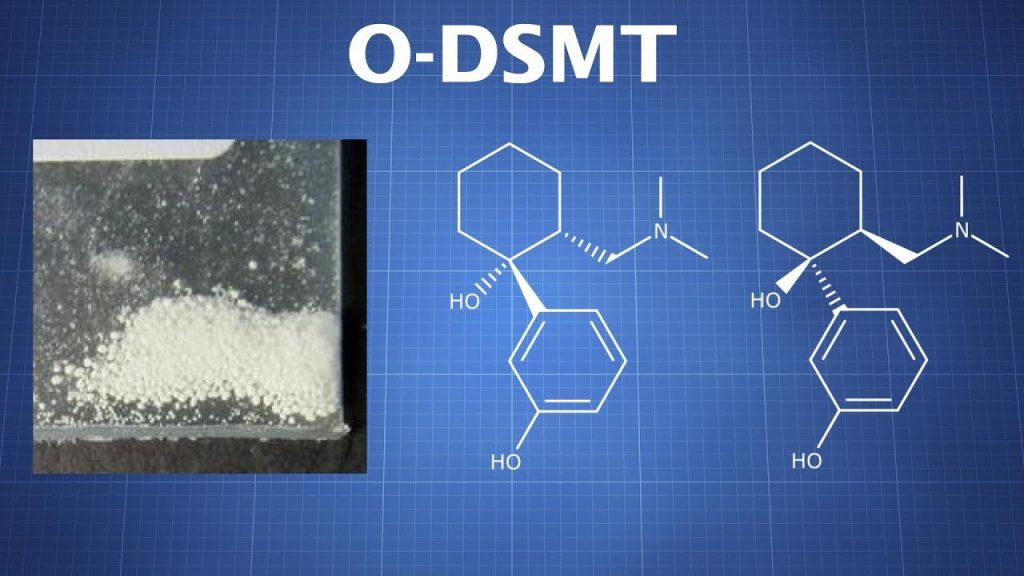
Understanding Research Opioids: Legality, Effects & Responsible Use 2026 Research opioids are a small but highly potent class of s...
Continue reading

O-DSMT vs Suboxone: Full Comparison & Safety Tips 2026
19 Apr
Opioids & Opioid-Related Research Chemicals

O-DSMT vs Suboxone: Full Comparison & Safety Tips 2026

  • April 19, 2026
  • By author-avatar admin
  • 0 comments
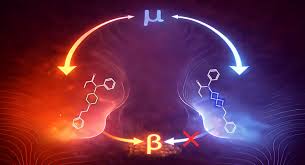
O-DSMT vs Suboxone: Full Comparison & Safety Tips 2026 When researching synthetic opioids in 2026, two compounds consistently stan...
Continue reading

Best Synthetic Opioid Research Chemicals for Pain & Sedation 2026
19 Apr
Opioids & Opioid-Related Research Chemicals

Best Synthetic Opioid Research Chemicals for Pain & Sedation 2026

  • April 19, 2026
  • By author-avatar admin
  • 0 comments
Best Synthetic Opioid Research Chemicals for Pain & Sedation 2026 In 2026, synthetic opioid research chemicals continue to attract...
Continue reading

Research Opioids Dosage Guide: Pellets, Powder & Blisters Compared 2026
19 Apr
Opioids & Opioid-Related Research Chemicals

Research Opioids Dosage Guide: Pellets, Powder & Blisters Compared 2026

  • April 19, 2026
  • By author-avatar admin
  • 0 comments
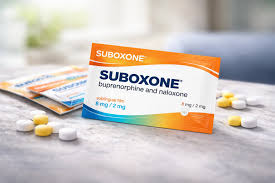
Research Opioids Dosage Guide: Pellets, Powder & Blisters Compared 2026 Accurate dosing is the most important factor when research...
Continue reading

Top Research Opioids & Partial Agonists: O-DSMT & Suboxone Explained 2026 In the research opioid space, two compounds stand out in 2026 for their availability and distinct pharmacological profiles: O-DSMT (O-Desmethyltramadol) and Suboxone (buprenorphine + naloxone). O-DSMT is a potent full-agonist-like metabolite, while Suboxone is a well-known partial opioid agonist. This guide provides a clear, side-by-side explanation of both, their effects, potency, key differences, and essential safety information for responsible research. Understanding Research Opioids vs Partial Agonists Full Agonists (or strong opioid-like compounds) fully activate mu-opioid receptors, producing robust analgesia, euphoria, and sedation, but also carry higher risks of respiratory depression and dependence. Partial Agonists activate the same receptors but with a “ceiling effect” — their effects plateau at higher doses, which can reduce some risks (especially respiratory depression) while still providing opioid activity. In 2026, the most researched options fall into these two categories: O-DSMT — Strong opioid effects, often described as more euphoric and analgesic. Suboxone — Partial agonist commonly studied for its unique safety profile in opioid research. O-DSMT Explained O-Desmethyltramadol (O-DSMT) is the primary active metabolite of the pharmaceutical drug tramadol. It acts primarily as a mu-opioid receptor agonist with additional monoamine reuptake inhibition. Key Characteristics: Strong analgesic and euphoric effects Moderate duration (typically 4–8 hours) Faster onset than many traditional opioids (20–60 minutes) Often reported as having a cleaner or slightly stimulating edge compared to classic opioids Common Research Doses: Pellets: 20–50 mg (beginners should start at 20–30 mg) Powder: Requires precise milligram scale — start very low User/Research Experiences: Many describe O-DSMT as potent yet manageable, with noticeable pain relief and mood elevation, though nausea and itching can occur at higher doses. Suboxone Explained Suboxone contains buprenorphine (a partial opioid agonist) and naloxone (an opioid antagonist added to deter misuse). In research contexts, it is studied for its partial agonist properties. Key Characteristics: Partial agonist with a ceiling effect on euphoria and respiratory depression Very long duration (up to 24–72 hours due to buprenorphine’s long half-life) Slower onset and longer-lasting effects Lower risk of severe respiratory depression compared to full agonists Common Research Dose: 2 mg (standard tablet/pellet strength focusing on the buprenorphine content) User/Research Experiences: Often described as providing steady, long-lasting opioid effects with less intense euphoria than full agonists, making it useful for studying maintenance or tapering protocols. O-DSMT vs Suboxone: Head-to-Head Comparison AspectO-DSMTSuboxone (Buprenorphine)TypeStrong opioid agonistPartial opioid agonistPotencyHighModerate (ceiling effect)Onset20–60 minutes30–90 minutesDuration4–8 hours24–72 hoursEuphoriaHigherLower (plateaus)Respiratory RiskHigherLower due to ceiling effectBest ForAcute analgesia & euphoria researchLong-duration & maintenance researchDependence RiskHighModerate to high Summary of Differences: O-DSMT tends to feel more “classic opioid” with stronger peak effects. Suboxone offers smoother, longer-lasting effects with a built-in safety buffer against overdose. Available Research Opioids & Partial Agonists Here are the current top products available for research: Suboxone 2mg O-DSMT Pellets 50mg O-DSMT Pellets 30mg O-DSMT Powder Safety, Risks & Harm Reduction 2026 Research opioids are among the highest-risk categories due to their direct impact on breathing and strong dependence potential. Key Risks: Respiratory depression and overdose (especially with O-DSMT) Rapid tolerance and withdrawal Nausea, constipation, and pruritus (itching) Dangerous interactions with benzodiazepines, alcohol, or other sedatives Critical Harm Reduction Practices: Start Extremely Low: For O-DSMT, begin with half a 30 mg pellet or less on first use. Naloxone/Narcan: Always have naloxone readily available during any opioid research. No Mixing: Never combine research opioids with RC benzos, alcohol, or other CNS depressants. Accurate Dosing: Use calibrated scales for powder; trust pre-measured pellets. Monitor Breathing: Watch for slowed or shallow breathing. Frequency Control: Avoid daily or frequent use to prevent rapid dependence. Environment: Research only in a safe setting with a sober sitter if possible. Withdrawal Note: Both compounds can cause significant withdrawal. Tapering should be done very slowly. Legal Status (2026): These substances are heavily regulated. Most are controlled or fall under analogue laws. They are sold strictly for laboratory research only. Important Disclaimer: These products are sold strictly for research and laboratory purposes only. They are not for human consumption. Opioid research carries life-threatening risks including fatal respiratory depression. FAQ – O-DSMT & Suboxone 2026 1. Which is stronger: O-DSMT or Suboxone? O-DSMT generally produces stronger peak opioid effects, while Suboxone has a ceiling that limits maximum intensity. 2. Is O-DSMT safer than traditional opioids? It carries similar risks to other strong opioids, particularly respiratory depression. Caution is essential. 3. Why is Suboxone used in research? Its partial agonist nature and long duration make it valuable for studying maintenance, tapering, and reduced overdose potential. 4. How long does O-DSMT last compared to Suboxone? O-DSMT lasts 4–8 hours; Suboxone can last 24–72 hours due to buprenorphine’s long half-life. 5. Can I combine O-DSMT and Suboxone? No. Combining them is dangerous and can lead to precipitated withdrawal or enhanced respiratory risks. 6. What is the safest starting dose for O-DSMT? 20–30 mg for pellets on the first attempt. Never exceed this initially. 7. Does Suboxone cause less euphoria? Yes, due to its partial agonist profile, euphoria is generally milder and plateaus. 8. What should I have ready before researching opioids? Naloxone, a safe environment, precise dosing tools, and a detailed log. 9. Are research opioids addictive? Yes. Both O-DSMT and Suboxone can cause physical dependence with repeated use. 10. Which is better for beginners in opioid research? Suboxone’s ceiling effect makes it somewhat safer for initial study, but both require extreme caution. Final Thoughts for 2026 O-DSMT and Suboxone represent two distinct approaches to opioid research: one with strong, classic effects and the other with a built-in safety buffer. Understanding their differences in potency, duration, and risk profile is crucial for anyone conducting laboratory research in this space. Prioritize harm reduction, keep naloxone accessible, and never underestimate the potency of these compounds. Have questions about O-DSMT, Suboxone, or opioid research safety? Feel free to leave a comment below (keeping the discussion educational and responsible). Stay safe and informed.
19 Apr
Opioids & Opioid-Related Research Chemicals

Top Research Opioids & Partial Agonists: O-DSMT & Suboxone Explained

  • April 19, 2026
  • By author-avatar admin
  • 0 comments
Top Research Opioids & Partial Agonists: O-DSMT & Suboxone Explained 2026 In the research opioid space, two compounds stand ou...

Continue reading

Complete Guide to Research Opioids 2026: Effects, Safety & Harm Reduction
19 Apr
Opioids & Opioid-Related Research Chemicals

Complete Guide to Research Opioids 2026: Effects, Safety & Harm Reduction

  • April 19, 2026
  • By author-avatar admin
  • 0 comments
Complete Guide to Research Opioids 2026: Effects, Safety & Harm Reduction Research opioids represent a small but highly potent cla...

Continue reading

  • 1
  • 2
  • 3
EURO LAB CHEMS Footer
EURO LAB CHEMS

High-purity research chemicals for laboratory and scientific use only. Built on compliance, precision, and responsible research standards.

Company

Our Service FAQ Contact Wholesale

Legal

Privacy Policy General Terms and Conditions Returns

Support

[email protected] Shipping Payments International
EURO LAB CHEMS does not supply or sell prohibited substances. All products are strictly intended for research purposes only. Users are responsible for compliance with local laws and regulations.
© 2026 EURO LAB CHEMS
Scientific Research Use Only
  • Menu
  • Categories
  • Shop
  • Wholesale
  • Our Service
  • Pay
  • Shipping
  • Returns
  • FAQ
  • International customers
  • Contact
  • Shop
  • Wholesale
  • Our Service
  • Pay
  • Shipping
  • Returns
  • FAQ
  • International customers
  • Contact
  • Login / Register
Shopping cart
Close

Are you over 18?

You must be 18 years of age or older to view page. Please verify your age to enter.

Access forbidden

Your access is restricted because of your age.

I am 18 or Older I am Under 18