
O-DSMT vs Suboxone: Full Comparison & Safety Tips 2026

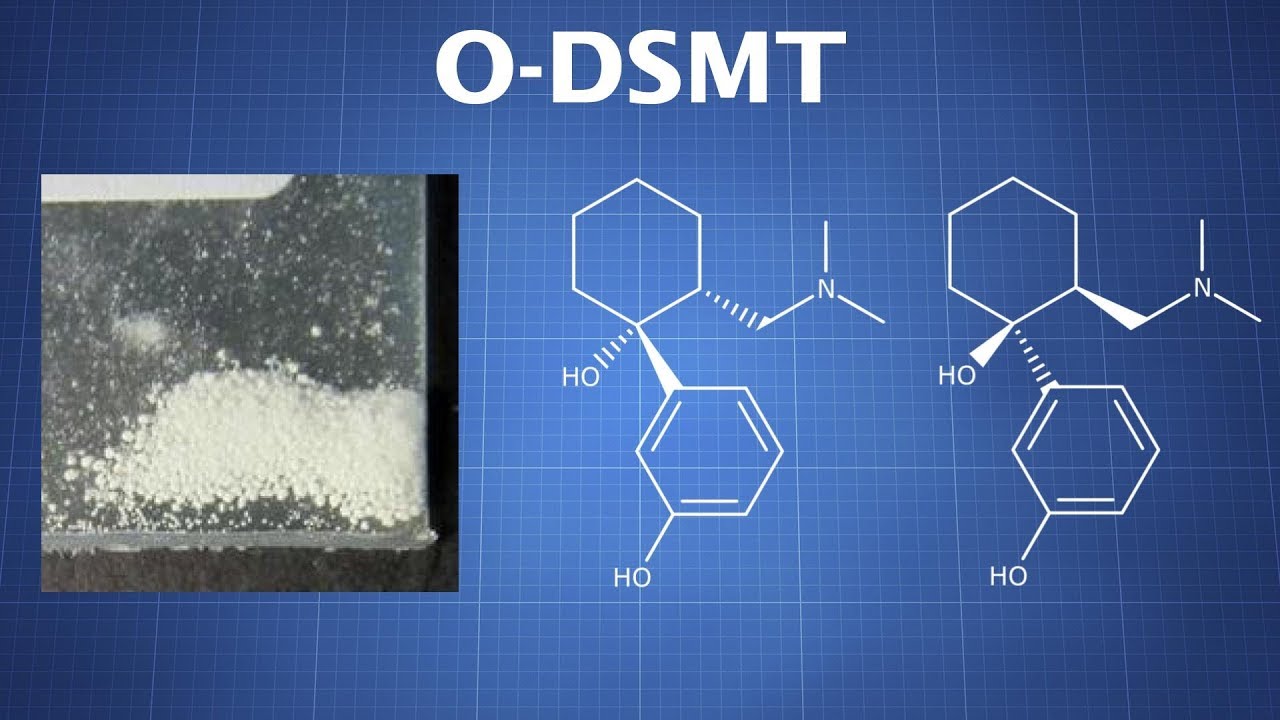
O-DSMT vs Suboxone: Full Comparison & Safety Tips 2026
When researching synthetic opioids in 2026, two compounds consistently stand out: O-DSMT (O-Desmethyltramadol) and Suboxone (buprenorphine + naloxone).
O-DSMT is a potent opioid agonist, while Suboxone is a partial agonist with a built-in ceiling effect. This full comparison breaks down their differences in potency, effects, duration, safety, and provides practical harm reduction tips for responsible laboratory research.
O-DSMT vs Suboxone: Quick Overview
- O-DSMT: Strong mu-opioid receptor agonist. Known for robust analgesic and euphoric effects.
- Suboxone: Partial opioid agonist (buprenorphine) combined with naloxone. Designed with a safety ceiling on respiratory depression and euphoria.
Both are studied for their interaction with opioid receptors, but they offer very different research profiles.
Detailed Side-by-Side Comparison
| Aspect | O-DSMT | Suboxone (Buprenorphine) |
|---|---|---|
| Type | Strong/full opioid agonist | Partial opioid agonist |
| Potency | High | Moderate (ceiling effect limits max intensity) |
| Onset | 20–60 minutes | 30–90 minutes |
| Duration | 4–8 hours | 24–72 hours (very long) |
| Pain Relief | Strong and fast-acting | Moderate but sustained |
| Sedation | Noticeable to strong | Mild to moderate, longer-lasting |
| Euphoria | Higher | Lower (plateaus quickly) |
| Respiratory Risk | Higher | Lower due to ceiling effect |
| Dependence Potential | High | Moderate to high |
| Best For | Acute pain & strong opioid effect research | Long-duration, maintenance, or tapering studies |
Key Takeaways:
- O-DSMT delivers more intense, classic opioid effects with quicker onset and shorter duration.
- Suboxone provides smoother, much longer-lasting effects with a built-in safety buffer against severe respiratory depression.
Effects Breakdown
O-DSMT Effects:
- Potent analgesia (pain relief)
- Clear sedation and relaxation
- Noticeable euphoria and mood elevation
- Some users report a slight stimulating edge from its monoamine activity
Suboxone Effects:
- Steady, prolonged opioid activity
- Milder sedation and euphoria
- Less intense peak effects due to partial agonism
- Useful for studying sustained receptor occupancy
Both compounds can cause typical opioid side effects such as constipation, itching (pruritus), and nausea, though these are often dose-dependent.
Available Products for Research
Safety Tips & Harm Reduction 2026
Researching O-DSMT and Suboxone requires strict safety protocols because both can cause respiratory depression.
Critical Safety Differences:
- O-DSMT has a higher risk of overdose and respiratory depression, especially at higher doses or when redosed.
- Suboxone has a partial agonist ceiling effect, making severe respiratory depression less likely, but its extremely long duration means effects can linger for days.
Essential Harm Reduction Practices:
- Test Dose First: For O-DSMT, start with 15–25 mg (or half a 30 mg pellet). For Suboxone, the standard 2 mg dose is usually sufficient for initial research.
- Naloxone Always Available: Keep naloxone (Narcan) on hand during any opioid research session.
- Never Mix: Do not combine either compound with benzodiazepines, alcohol, RC benzos, or other CNS depressants — this is extremely dangerous.
- Accurate Dosing: Use pre-measured pellets whenever possible. If using O-DSMT powder, double-check measurements with a calibrated milligram scale.
- Monitor Closely: Watch for slowed breathing, extreme drowsiness, or unresponsiveness.
- Spacing Sessions: Avoid frequent use. O-DSMT can build tolerance quickly; Suboxone’s long half-life means effects can overlap between sessions.
- Environment: Research only in a safe, controlled setting with no immediate responsibilities.
Withdrawal Consideration: Both compounds can lead to physical dependence. Withdrawal from O-DSMT tends to come on faster, while Suboxone withdrawal can be prolonged due to its long half-life.
Legal Note: These substances are sold strictly for laboratory and research purposes only. They are heavily regulated in most countries. Always verify current local laws.
Important Disclaimer: These products are sold strictly for research and laboratory purposes only. They are not for human consumption. Opioid research carries life-threatening risks, including fatal respiratory depression.
FAQ – O-DSMT vs Suboxone 2026
1. Which is stronger: O-DSMT or Suboxone? O-DSMT is generally stronger with more intense peak effects, while Suboxone has a ceiling that limits maximum intensity.
2. Which lasts longer? Suboxone lasts significantly longer (24–72 hours) compared to O-DSMT (4–8 hours).
3. Is Suboxone safer than O-DSMT? Suboxone has a lower risk of severe respiratory depression due to its partial agonist profile, but both require extreme caution.
4. Can I switch between O-DSMT and Suboxone? Switching requires great care. Taking Suboxone too soon after a full agonist like O-DSMT can cause precipitated withdrawal.
5. What is the best starting dose for each? O-DSMT: 20–30 mg pellets; Suboxone: 2 mg tablet.
6. Which is better for pain research? O-DSMT usually provides stronger and faster pain relief.
7. Which is better for long-term sedation studies? Suboxone is preferred due to its extended duration.
8. Do both cause dependence? Yes. Both can lead to physical dependence with repeated use, though the timeline and intensity differ.
9. Should beginners start with O-DSMT or Suboxone? Suboxone’s ceiling effect makes it somewhat safer for initial research, but both are high-risk compounds.
10. What is the single most important safety tip? Always have naloxone available and never mix with other depressants.
Final Thoughts for 2026
O-DSMT and Suboxone represent two distinct tools for opioid receptor research. O-DSMT offers strong, fast-acting effects ideal for acute analgesia studies, while Suboxone provides long-duration, partial-agonist characteristics useful for maintenance and safety-profile research.
Whichever compound you choose, prioritize accurate dosing, naloxone readiness, and strict avoidance of mixing substances. Responsible research practices are essential when working with these potent compounds.
Have questions about O-DSMT vs Suboxone or opioid research safety? Feel free to leave a comment below (keeping the discussion educational and responsible).
Stay safe and informed.