
Top Research Opioids & Partial Agonists: O-DSMT & Suboxone Explained

Top Research Opioids & Partial Agonists: O-DSMT & Suboxone Explained 2026
In the research opioid space, two compounds stand out in 2026 for their availability and distinct pharmacological profiles: O-DSMT (O-Desmethyltramadol) and Suboxone (buprenorphine + naloxone).
O-DSMT is a potent full-agonist-like metabolite, while Suboxone is a well-known partial opioid agonist. This guide provides a clear, side-by-side explanation of both, their effects, potency, key differences, and essential safety information for responsible research.
Understanding Research Opioids vs Partial Agonists
Full Agonists (or strong opioid-like compounds) fully activate mu-opioid receptors, producing robust analgesia, euphoria, and sedation, but also carry higher risks of respiratory depression and dependence.
Partial Agonists activate the same receptors but with a “ceiling effect” — their effects plateau at higher doses, which can reduce some risks (especially respiratory depression) while still providing opioid activity.
In 2026, the most researched options fall into these two categories:
- O-DSMT — Strong opioid effects, often described as more euphoric and analgesic.
- Suboxone — Partial agonist commonly studied for its unique safety profile in opioid research.
O-DSMT Explained
O-Desmethyltramadol (O-DSMT) is the primary active metabolite of the pharmaceutical drug tramadol. It acts primarily as a mu-opioid receptor agonist with additional monoamine reuptake inhibition.
Key Characteristics:
- Strong analgesic and euphoric effects
- Moderate duration (typically 4–8 hours)
- Faster onset than many traditional opioids (20–60 minutes)
- Often reported as having a cleaner or slightly stimulating edge compared to classic opioids
Common Research Doses:
- Pellets: 20–50 mg (beginners should start at 20–30 mg)
- Powder: Requires precise milligram scale — start very low
User/Research Experiences: Many describe O-DSMT as potent yet manageable, with noticeable pain relief and mood elevation, though nausea and itching can occur at higher doses.
Suboxone Explained
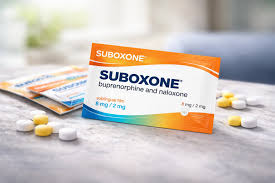
Suboxone contains buprenorphine (a partial opioid agonist) and naloxone (an opioid antagonist added to deter misuse). In research contexts, it is studied for its partial agonist properties.
Key Characteristics:
- Partial agonist with a ceiling effect on euphoria and respiratory depression
- Very long duration (up to 24–72 hours due to buprenorphine’s long half-life)
- Slower onset and longer-lasting effects
- Lower risk of severe respiratory depression compared to full agonists
Common Research Dose:
- 2 mg (standard tablet/pellet strength focusing on the buprenorphine content)
User/Research Experiences: Often described as providing steady, long-lasting opioid effects with less intense euphoria than full agonists, making it useful for studying maintenance or tapering protocols.
O-DSMT vs Suboxone: Head-to-Head Comparison
| Aspect | O-DSMT | Suboxone (Buprenorphine) |
|---|---|---|
| Type | Strong opioid agonist | Partial opioid agonist |
| Potency | High | Moderate (ceiling effect) |
| Onset | 20–60 minutes | 30–90 minutes |
| Duration | 4–8 hours | 24–72 hours |
| Euphoria | Higher | Lower (plateaus) |
| Respiratory Risk | Higher | Lower due to ceiling effect |
| Best For | Acute analgesia & euphoria research | Long-duration & maintenance research |
| Dependence Risk | High | Moderate to high |
Summary of Differences:
- O-DSMT tends to feel more “classic opioid” with stronger peak effects.
- Suboxone offers smoother, longer-lasting effects with a built-in safety buffer against overdose.
Available Research Opioids & Partial Agonists
Here are the current top products available for research:
Safety, Risks & Harm Reduction 2026
Research opioids are among the highest-risk categories due to their direct impact on breathing and strong dependence potential.
Key Risks:
- Respiratory depression and overdose (especially with O-DSMT)
- Rapid tolerance and withdrawal
- Nausea, constipation, and pruritus (itching)
- Dangerous interactions with benzodiazepines, alcohol, or other sedatives
Critical Harm Reduction Practices:
- Start Extremely Low: For O-DSMT, begin with half a 30 mg pellet or less on first use.
- Naloxone/Narcan: Always have naloxone readily available during any opioid research.
- No Mixing: Never combine research opioids with RC benzos, alcohol, or other CNS depressants.
- Accurate Dosing: Use calibrated scales for powder; trust pre-measured pellets.
- Monitor Breathing: Watch for slowed or shallow breathing.
- Frequency Control: Avoid daily or frequent use to prevent rapid dependence.
- Environment: Research only in a safe setting with a sober sitter if possible.
Withdrawal Note: Both compounds can cause significant withdrawal. Tapering should be done very slowly.
Legal Status (2026): These substances are heavily regulated. Most are controlled or fall under analogue laws. They are sold strictly for laboratory research only.
Important Disclaimer: These products are sold strictly for research and laboratory purposes only. They are not for human consumption. Opioid research carries life-threatening risks including fatal respiratory depression.
FAQ – O-DSMT & Suboxone 2026
1. Which is stronger: O-DSMT or Suboxone? O-DSMT generally produces stronger peak opioid effects, while Suboxone has a ceiling that limits maximum intensity.
2. Is O-DSMT safer than traditional opioids? It carries similar risks to other strong opioids, particularly respiratory depression. Caution is essential.
3. Why is Suboxone used in research? Its partial agonist nature and long duration make it valuable for studying maintenance, tapering, and reduced overdose potential.
4. How long does O-DSMT last compared to Suboxone? O-DSMT lasts 4–8 hours; Suboxone can last 24–72 hours due to buprenorphine’s long half-life.
5. Can I combine O-DSMT and Suboxone? No. Combining them is dangerous and can lead to precipitated withdrawal or enhanced respiratory risks.
6. What is the safest starting dose for O-DSMT? 20–30 mg for pellets on the first attempt. Never exceed this initially.
7. Does Suboxone cause less euphoria? Yes, due to its partial agonist profile, euphoria is generally milder and plateaus.
8. What should I have ready before researching opioids? Naloxone, a safe environment, precise dosing tools, and a detailed log.
9. Are research opioids addictive? Yes. Both O-DSMT and Suboxone can cause physical dependence with repeated use.
10. Which is better for beginners in opioid research? Suboxone’s ceiling effect makes it somewhat safer for initial study, but both require extreme caution.
Final Thoughts for 2026
O-DSMT and Suboxone represent two distinct approaches to opioid research: one with strong, classic effects and the other with a built-in safety buffer. Understanding their differences in potency, duration, and risk profile is crucial for anyone conducting laboratory research in this space.
Prioritize harm reduction, keep naloxone accessible, and never underestimate the potency of these compounds.
Have questions about O-DSMT, Suboxone, or opioid research safety? Feel free to leave a comment below (keeping the discussion educational and responsible).
Stay safe and informed.